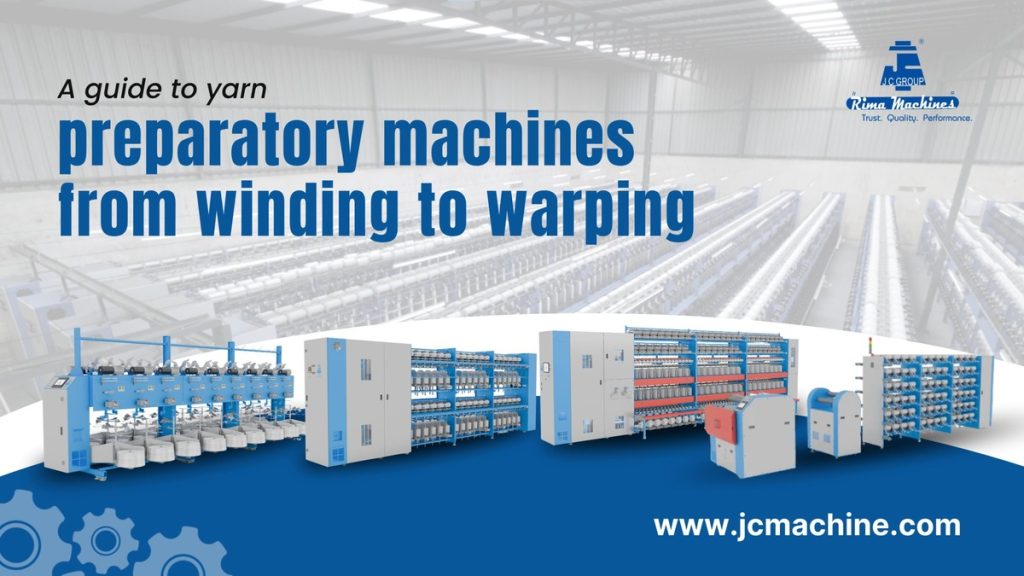

Textile, as most people understand, is just fabric; however, the final output is just fabric; the process starts way before weaving and knitting. The most critical stage of textile manufacturing is yarn preparation. Yarn preparation is the process of making the yarn ready for knitting or weaving, with desired uniformity, elasticity, strength, and package quality. The process involves multiple steps, like twisting, warping, cabling, and precision winding, each step contributing to the final product appearance and performance. The onus of efficient yarn preparation lies on the quality of raw material and the machinery.
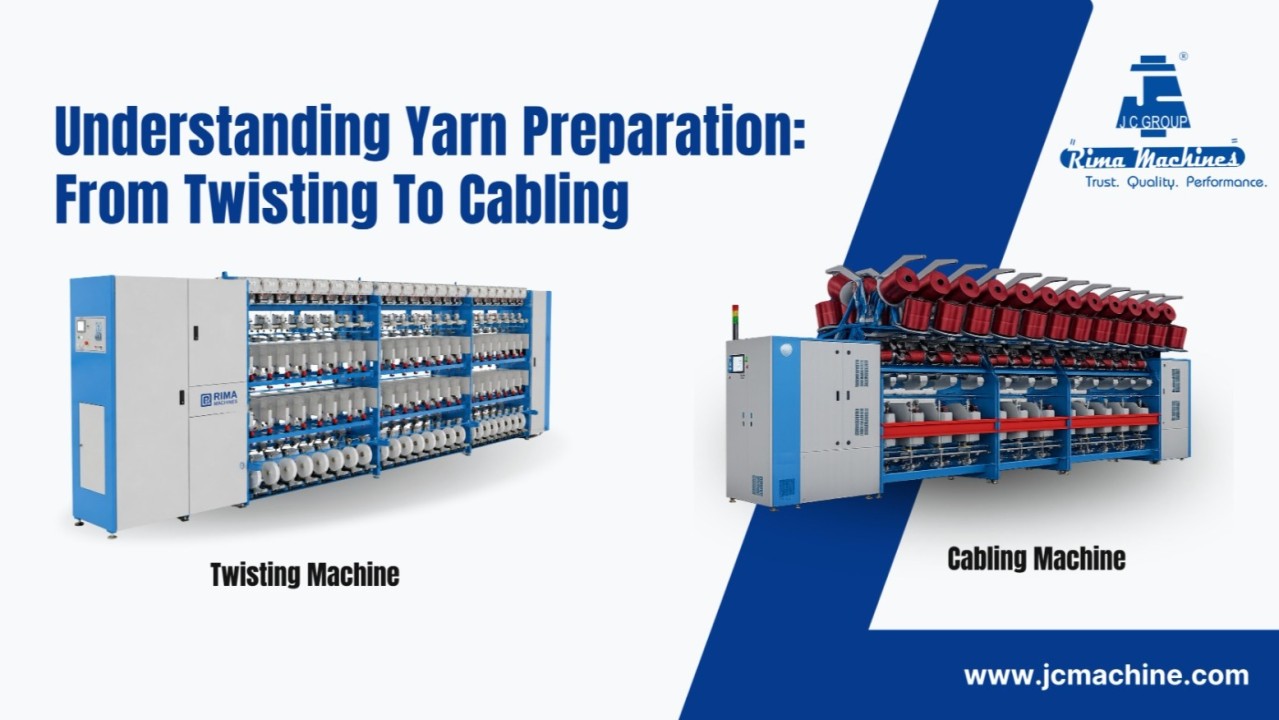
Yarn preparation transforms spun or filament yarn into a form suitable for downstream manufacturing and ensures smooth performance. If this step is completed properly, it leads to a reduction in yarn breakage that improves the overall quality of the finished textile. It starts with twisting to hold the fibres more securely in the yarn structure, resulting in increased tensile strength, abrasion resistance, and durability. The yarn twist directly influences the yarn’s appearance, softness, elasticity, and performance. Different applications require varying twist requiring precision in twisting producing yarns that meet specific industry requirements.
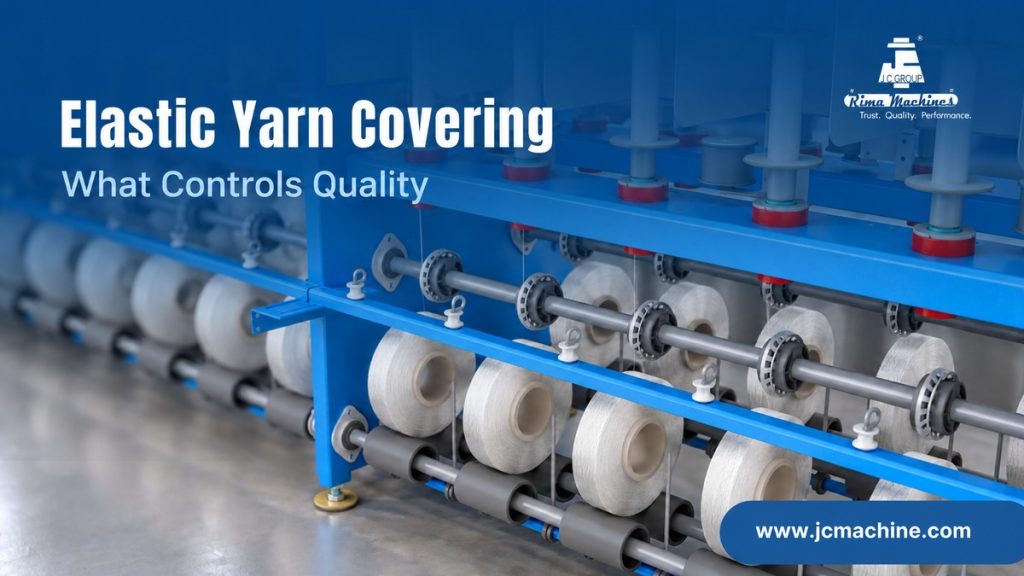
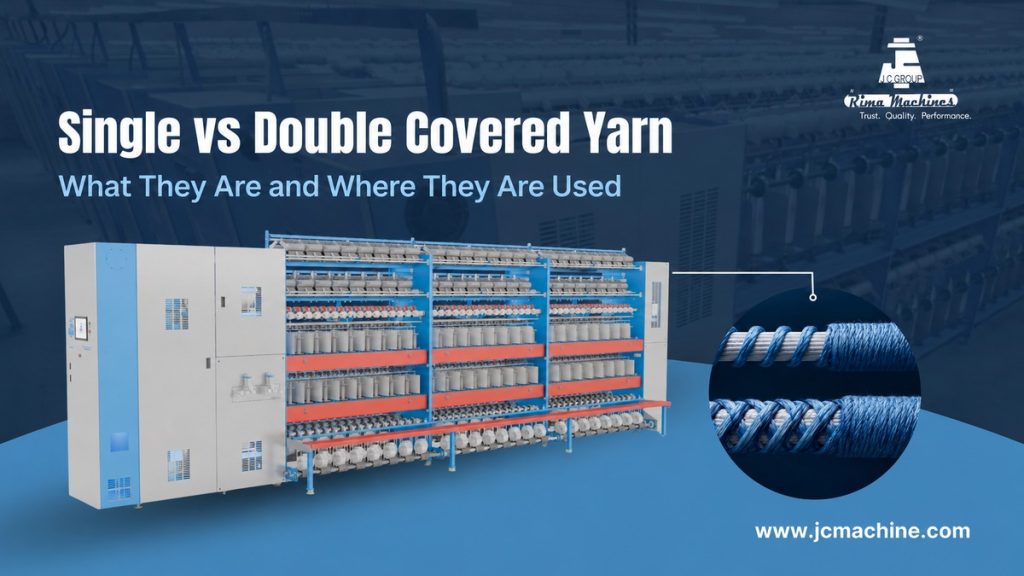
Another category of yarn preparation is covering. Covered yarns are used in products requiring stretch, comfort, and recovery, where an elastic yarn or fiber is wrapped with one or more covering yarns. Spandex is prominently covered for improving durability, appearance, and handling characteristics. Such yarns find their application in sportswear, hosiery, seamless garments, medical textiles, and fashion apparel.
Cabling is carried out when multiple twisted yarns are made into one yarn. While the focus is on combining the yarns in a balanced structure, this step enhances yarn strength, dimensional stability, and resistance to abrasion while reducing torque and improving uniformity, which is demanded by industrial textiles. Materials like sewing threads, technical fabrics, upholstery, and high-performance applications are made by cabling where durability and reliability are critical properties.
Weaving process starts way before the yarn is actually fed into the loom. Warping is done when hundreds or thousands of yarns (ends) are arranged parallel onto a warp beam. Proper warping maintains the equal yarn tension, prevents tangling, and ensures smooth loom performance, which subsequently leads to less interruption in production, improved fabric quality, and higher weaving efficiency. Warping also requires precision to maintain consistency in the entire fabric width.
Another important stage of yarn preparation is winding the twisted yarn into the packages for shipping, and subsequent downstream processes. Well-formed packages lead to less yarn tension variations, less waste, and uninterrupted production. When the yarn package is uniform, it improves storage, transportation, and handling efficiency while maintaining yarn quality throughout the supply chain.
As textile applications continue to evolve, investing in advanced yarn preparation technology is key to achieving superior product quality, operational efficiency, and long-term competitiveness. While yarn preparation seems like a standard procedure, it varies with each yarn, and the machine configurations also matter when going for bulk order. The machinery needs to be selected on the basis of yarn characteristics, production capacity, and end-use applications. Rima Machines, enters the scenario at the right time. We design advanced yarn preparation solutions to meet the needs of the textile manufacturers. RIMA Machines offers reliable technology for all types of yarn preparation, from precision twisting and covering to efficient cabling, warping, and winding systems. Our machines deliver accuracy, productivity, and consistent yarn quality across a wide range of natural, synthetic, blended, and technical yarns while meeting the highest standards of the global textile industry.